economy, Geopolitics, Trade, United States
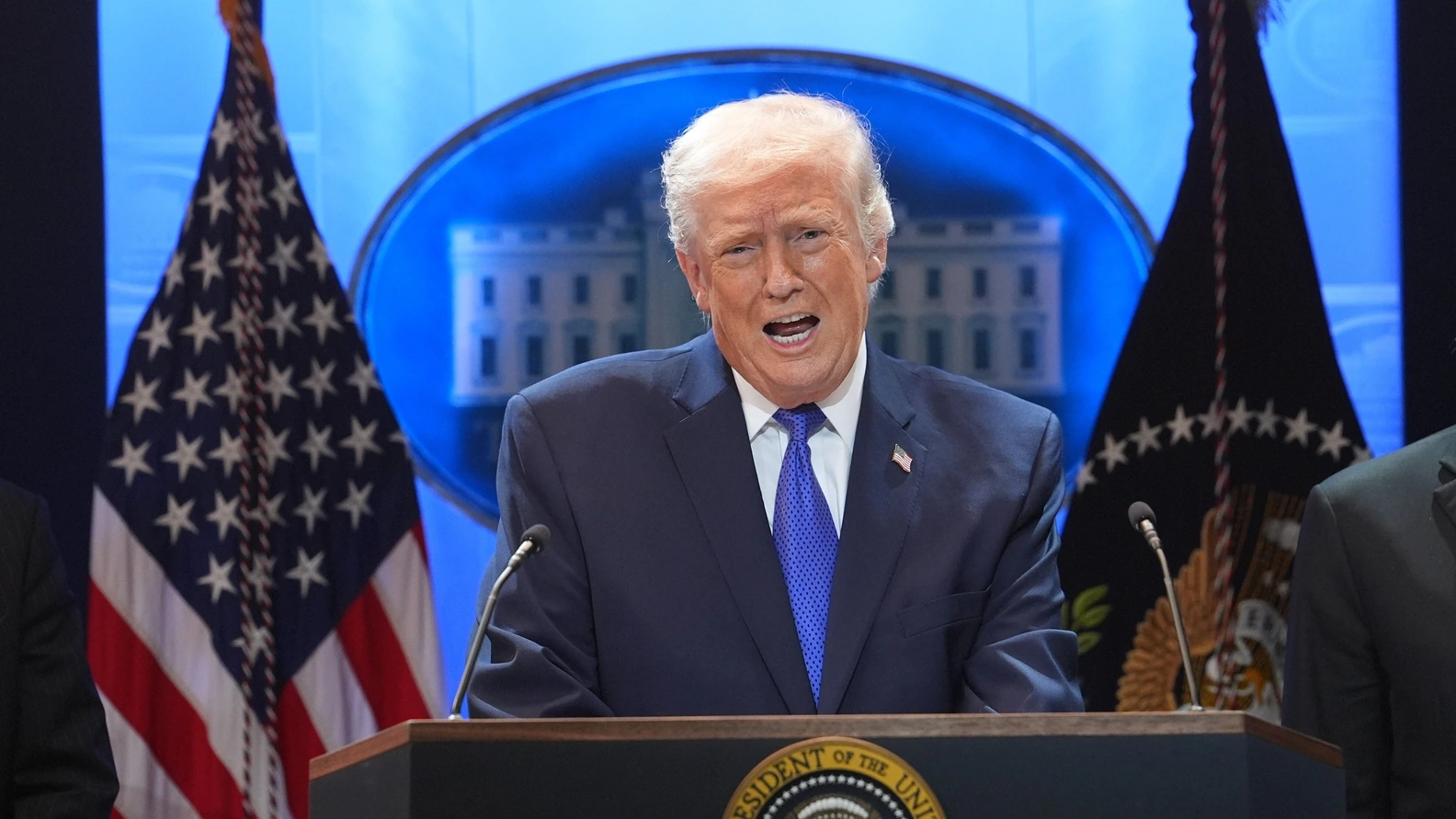
U.S. President Trump increased the import tariff from 10% to 15% following a Supreme Court ruling, impacting trade dynamics, costs, and consumer prices significantly.
By Swann Collins, consultant in international affairs, for Eurasia Business News, February 21, 2026. Article n°2032
U.S. President Trump has raised his new across‑the‑board import tariff from 10% to 15%, using a different trade law after the Supreme Court struck down core parts of his earlier tariff program as unlawful.
On Friday, Trump announced a 10% “global tariff” on virtually all imports for up to 150 days under Section 122 of the Trade Act of 1974, after the Court invalidated many tariffs he had imposed under emergency powers.
On Saturday, he said he will immediately increase that temporary tariff to 15%, which he describes as the maximum allowed under that statute.
Read also : Tax Management strategies for Digital Nomads
The Supreme Court ruled that he exceeded his authority by using the International Emergency Economic Powers Act (IEEPA) to levy broad, permanent‑style global tariffs, saying that power belongs to Congress.
Trump says the new 15% tariff is a legally “tested” way to quickly restore and even expand his tariff regime while the administration designs replacement measures that comply with the ruling.
Section 122 allows tariffs of up to 15% on imports from any or all countries for balance‑of‑payments reasons, but only for 150 days unless Congress approves an extension.
Read also : The Private Investor Deal Evaluation Handbook
The new 15% duty is layered on top of existing tariffs that were not struck down (for example, certain steel, aluminum, autos and China‑focused tariffs), so many affected products will now face significantly higher combined rates.
Importers and retailers face an immediate across‑the‑board cost increase, raising pressure on consumer prices, especially for goods with thin margins or limited alternative suppliers.
Major trading partners (EU, China, Canada, others) are weighing responses, and the move heightens uncertainty over trade deals that had been negotiated around the earlier, now‑invalidated tariff structure.
Trump’s aggressive tariff policies unleased in April 2025 have led to significant declines in the stock market, with the S&P 500 experiencing its largest weekly drop since March 2020.
Polling shows tariffs are broadly disliked, including by a majority of independents, who see them as raising prices rather than helping workers.
With cost of living already the top concern for many voters, Trump’s decision to double down on tariffs ties him personally to any further price increases that households feel between now and November.
Many Republicans privately view the tariffs as bad economics and bad politics, but Trump’s dominance in the party makes breaking with him difficult, especially in primaries.
The new plan could force vulnerable GOP incumbents in swing districts to cast recorded votes on extending or expanding tariffs, giving Democrats a clear line of attack that Republicans are “voting to raise prices.”
Our community already has nearly 215,000 readers!
Subscribe to our Telegram channel
Follow us on Telegram, Facebook and Twitter
© Copyright 2026 – Eurasia Business News. Article no. 2032
Founded in 2017, Eurasia Business News is an independent platform where are published articles on economy, finance, geopolitics, tax and legal issues in Europe, America and Asia. Our goal is to bring new and valuable insights to business leaders, policymakers, scholars and citizens. Articles are published in both English and French. Premium content is available for monthly subscribers. View all posts by Eurasia Business News
Don't stay behind the must-read news stories, sign up !
Don't stay behind the must-read news stories, sign up !
DONATION
Do you like our work ? If yes you can support us and donate.
$5.00
© 2026 Eurasia Business News
Website Powered by WordPress.com.
Subscribe now to keep reading and get access to the full archive.
Continue reading
source