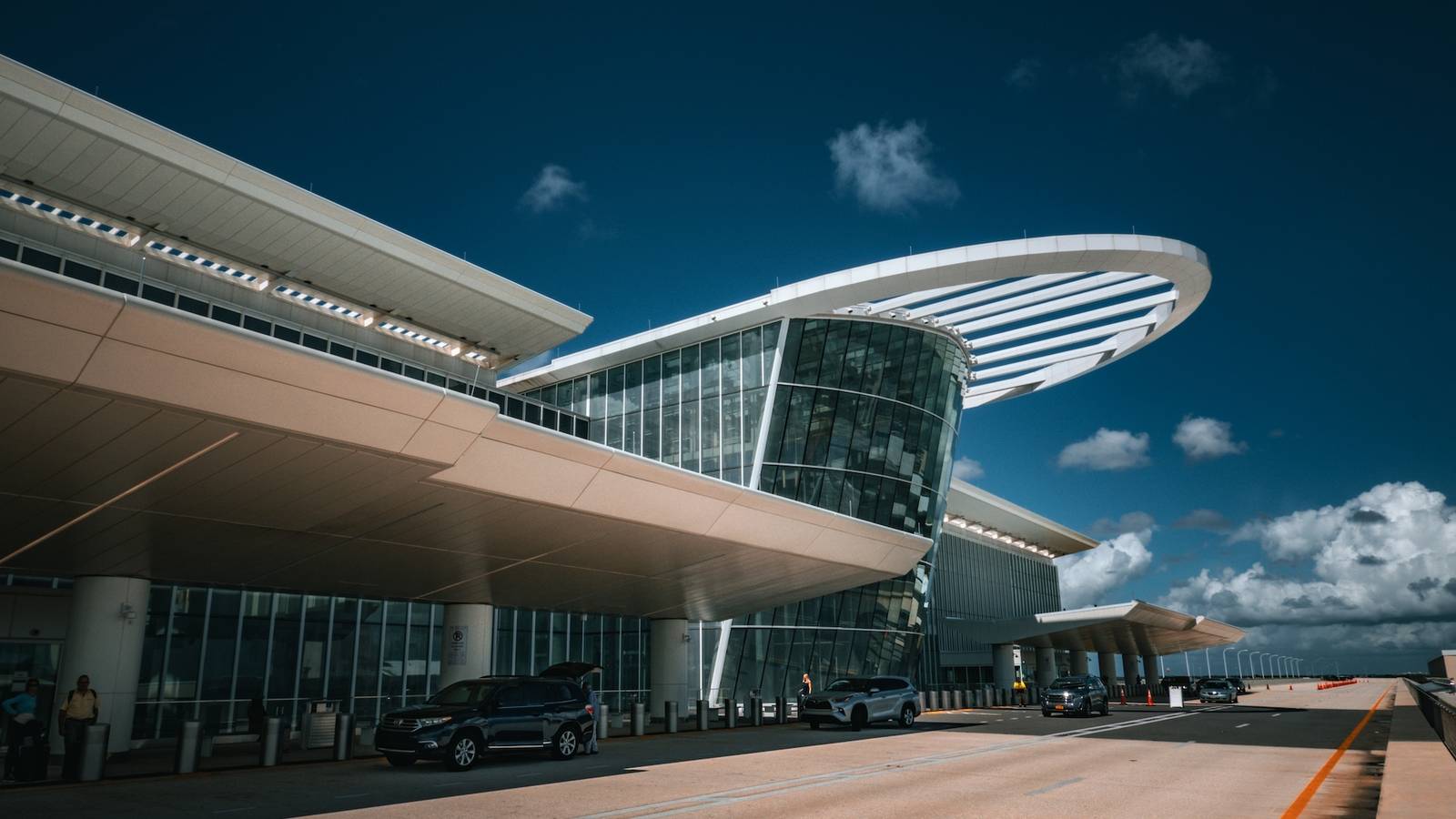
Orlando International Airport (MCO) is going to be rolling out new facial-biometric tools in order to cut processing time for international arrivals and departures. The airport is working with the United States Customs and Border Protection, and this Enhanced Passenger Processing (EPP) system verifies eligible US citizens by matching a live photo to passport records. This reduces the overall need for repeated document checks by various immigration officers.
Officials have stated that this approach has already cut wait times by around 43% for participating arrivals. Next, MCO will be testing gate-based facial screening for departing international flights, which ideally will speed up boarding, improve overall compliance, and help keep busy peak periods moving without the need to add more individual checkpoints. US citizens are eligible to opt out of these screenings.
Shutterstock
There are two separate components to this advanced system rollout. For starters, there is Enhanced Passenger Processing for inbound travelers, where a kiosk captures a photo and immigration systems confirm the identity of an individual against passport images, which allows for verified passengers to move on with fewer stops during their visit to an airport. Second, there will be a 90-day pilot program for outbound international departures. Passengers who will be part of this program will walk through a camera-equipped corridor near the gate, and a live image of them will be matched to government records, which will be actively monitored by Customs and Border Protection agents.
Orlando International Airport says that travel demand to and from the airport is only continuing to rise. It notes that more than 57 million passengers are expected this year, with around 15% traveling internationally. The airport has also already installed biometric gear at 65 of the 113 gates at the facility. Three vendors are being evaluated, including iProov and Aware, with results set to determine whether the carrier elects to push forward with broader deployment. Leaders say that these saved seconds will quickly compound.
For travelers, this departure pilot is designed to feel like walking normally to the aircraft itself. Instead of pausing at a podium to present a passport and a boarding pass, passengers will step into a short corridor of mounted cameras near the jet bridge. This system will automatically capture live images before matching them to existing federal records in order to confirm that the person on the ticket is the person actually boarding the aircraft.
CBP officers also watch the verification screens in real time, all while the airline continues to try and keep lines moving. Vendors also say that newer algorithms can handle challenging angles, different heights, and mobility devices, all while verifying families together rather than forcing them to be stopped in a one-by-one fashion, according to reports from Yahoo Finance.
This ultimately matters at a high-volume airport, where small delays ripple into missed slots and overall gate congestion. If the pilot program performs well, Orlando could extend biometrics across more international gates and standardize the overall flow of passengers. The goal here is ultimately going to be fewer handoffs, less overall friction, and faster boarding during peak international travel periods.
The carrier joins three other US airlines that are currently offering biometrics for security screening.
When it comes to arrivals, the airport and the CBP frame biometrics as a tool for overall throughput. A quick face match at a kiosk can replace multiple document touches, and officials say that the program has cut processing waits by around 43% on some returning flights. This expansion comes with guardrails and debates.
US citizens are generally allowed to decline facial processing and request a manual check, but that choice may mean slower overall lines at the airport. Data handling will also differ by passenger status. The CBP says that any images of US citizens are purged within 12 hours, but that photos of noncitizens may be retained far longer under federal rules that are scheduled to take effect on December 26, 2025.
Privacy advocacy groups have indicated that they are somewhat concerned about mission creep, security breaches, and uneven accuracy across different demographics. Agencies and vendors also counter with high match rates and continuous testing. For MCO, the bet is that carefully scoped automation delivers speed without eroding passenger trust. Pilot results will ultimately shape whether these systems are rolled out more broadly.
We want to hear from you! Share your opinions in the thread below and remember to keep it respectful.
Your comment has not been saved
This thread is open for discussion.
Be the first to post your thoughts.