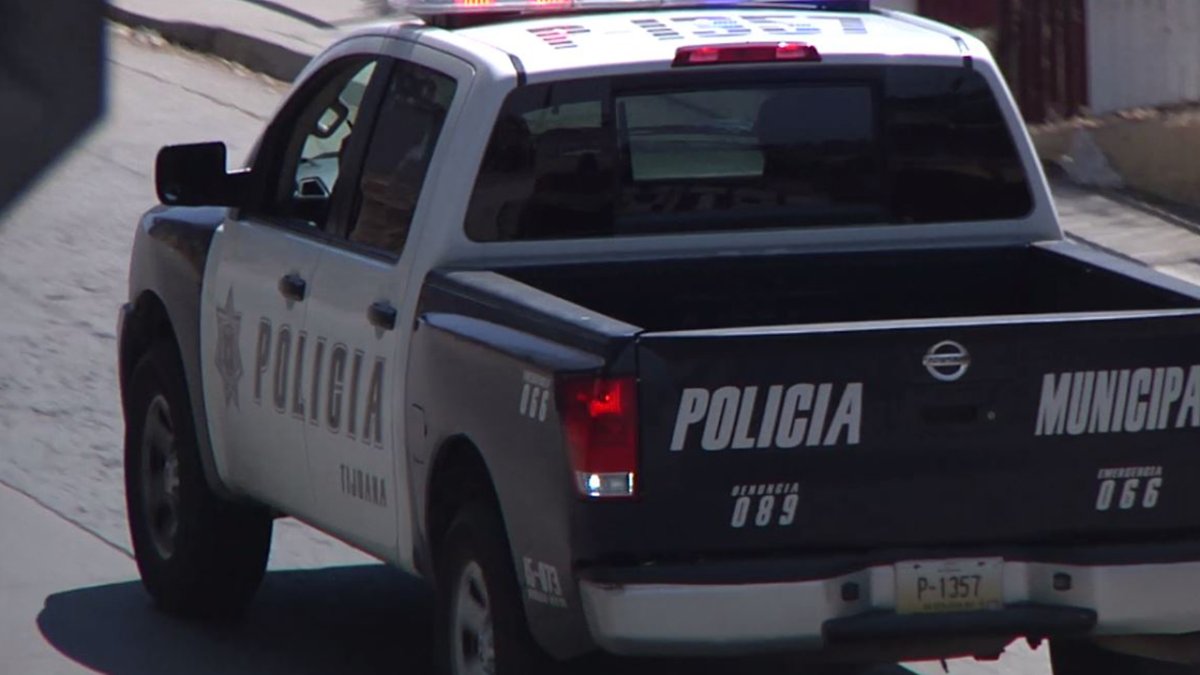
If you break these traffic laws, Tijuana police may tow your car at the border. Tania Luviano-Hurwitz from NBC 7 and Telemundo 20 Responds has what you need to know.
The number of traffic tickets to non-Mexicans increases by up to 20% during the weekends, according to Tijuana police.
In some cases, the traffic violation could cost you not only a lot of money, but they can also tow your car right before crossing the border.
Stream San Diego News for free, 24/7, wherever you are with NBC 7.
Having your passport and knowing your way to your destination in Baja aren’t the only things you should know when crossing the border into Mexico.
“We’ve found that many people don’t understand the law in Mexico,” said Karim Chalita Rodriguez, president of the Tourism and Conventions Committee of Tijuana, known as COTUCO.
Rodriguez says a lot of Americans either choose to ignore the law in Mexico or don’t understand it.
To avoid coming back to the U.S with an empty wallet, you should know these traffic laws:
In the U.S., the yellow light is a warning that the light is about to turn red. In Baja, a flashing green light is the warning.
“The yellow light here in Mexico means stop,” Rodriguez said.
Just like at a red light in the U.S., you must stop, or else you can get a ticket.
Tinted windows are not allowed in Baja unless they’re factory-tinted.
Here’s a tip: if a cop wants to give you a traffic ticket for having tinted windows on your vehicle, Tijuana police say you can offer to peel it off right there and avoid the fine.
In Mexico, the traffic signs are in kilometers, not miles.
The speed on a Baja highway is between 105 and 110 kilometers per hour, which in miles per hour is 65-70.
It’s at the border where, especially during the weekends, the number of infractions by drivers with foreign license plates increases by up to 20%.
The most common traffic violation is cutting in line when trying to cross to the U.S and blocking intersections.
“It’s not like in the States, where they give you a ticket, and you pay it later,” Rodriguez said.
Because you’re a tourist and do not have a Mexican driver’s license, you must follow the cop to a judge to pay the fine.
“That means he’s going to lose a lot of time, half an hour, two hours, I don’t know,” Rodriguez said.
And if you don’t have the proper documentation, such as a driver’s license, car registration and insurance, they can tow your car right at the border.
To help tourists understand Mexican traffic laws and improve their driving experience in the city, COTUCO proposed that the traffic regulations also be available in English online, at strategic points such as tourist modules and information booths.
COTUCO is awaiting approval from the Secretary of Citizen Security.