Search
Beijing wants to strengthen resilience in some areas and ease cutthroat competition in others
Share
CHINESE leaders will launch a pivotal five-year plan this week that will help shape global commodities markets through the end of the decade. Their fixes targeting supply will be as important as the impact of their decisions on demand.
As the world’s biggest buyer of raw materials, China’s annual GDP goal, plans to stimulate the economy, and any steps to support favoured sectors, from clean energy to artificial intelligence, should give relatively straightforward clues on where consumption is likely to expand.
But the supply-side is more complicated. Beijing wants to strengthen resilience in some areas and ease cutthroat competition in others. At the same time, industry is being retooled for a green transition that calls for peak emissions by 2030.
Last year’s fightback against the Trump administration’s trade offensive rested on wielding critical minerals as a mighty geopolitical weapon. China will aim to maintain that dominance, even as Western rivals hurry to develop their own resources.
The government has staked out a role ensuring that its high-tech industries have the materials needed to thrive. The dancing robots that drew gasps at the televised annual Spring Festival Gala are only possible because of the tiny but powerful rare earth magnets that emerge from a highly state-coordinated supply chain.
Reinforcing that model is likely to be a focus for policymakers. Bolstering domestic supply channels might involve stronger export controls, or pursuing greater consolidation among producers. Any talk of a bigger role for strategic mineral reserves could be especially bullish for prices, as the US also embarks on a major stockpiling initiative.
Get the insights delivered to your inbox.
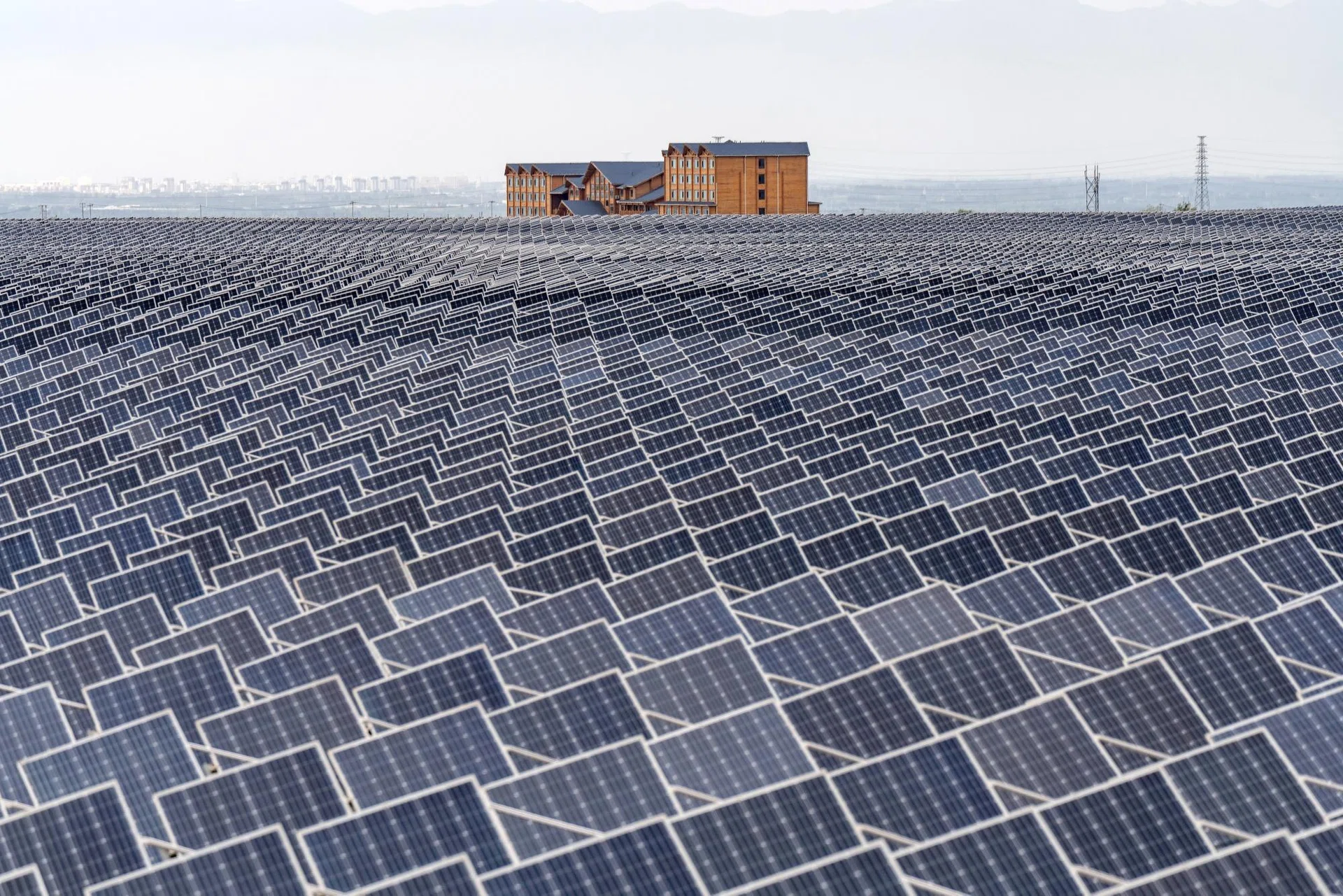
The surge in renewable energy is allowing China to meet growing power demand without increasing emissions, but their intermittency is straining the grid. That’s focusing attention on what steps might be taken to sustain the wind and solar boom.
Beijing could set new goals for building long-distance power lines to connect remote clean energy hubs with users, or for battery storage, which is already on track to eclipse a target of 180 gigawatts by 2027. Green hydrogen may also get a boost after the government touted it as a key technology and floated the idea of minimum targets for industrial use of renewable fuels, which could help shore up demand for a wave of planned facilities.
The energy sector will also be watching for details of the recently announced plan to accelerate the construction of a nationwide power market, which would reshape how electricity from all sources is priced and traded. The reform could align China’s market with the needs of a renewables-heavy grid, according to BloombergNEF.
SEE ALSO
Carbon emissions per unit of GDP is a key measurement of Beijing’s climate ambitions. The last plan covering 2021 to 2025 delivered a rare miss, after the government failed to meet its target of cutting carbon intensity by 18 per cent. Instead, the country was forced to double down on coal usage to ensure sufficient power.
That puts a heavier load on the latest plan. The Centre for Research on Clean Air and Energy (Crea) estimates that carbon intensity needs to be slashed by 23 per cent if China is to meet its 2015 Paris climate obligations. But the renewables boom has put the country on a solid footing. Overall emissions fell last year for the first time since the pandemic, according to Crea.
The carbon intensity goal will be buttressed from this year with a secondary target that looks at total emissions, which will replace the more forgiving yardstick of measuring energy intensity. The government’s previous assessments of progress on climate had allowed it to tout successes even as overall emissions soared, so long as they did not grow faster than the economy.
China’s longstanding effort to deal with industrial overcapacity shifted into higher gear in July with the launch of its anti-involution campaign. But the scorecard at this early juncture is mixed at best. Losses at solar manufacturers have deepened, there are doubts over whether steelmakers have actually managed to cut output, and oil refiners are churning through more barrels than ever.
Government planners have so far largely avoided hard targets on capacity or production, relying instead on policy signalling, regulatory fixes and voluntary discipline measures that will take time to play out. HSBC Holdings said that Beijing’s focus on supply may need to be “complemented by targeted demand-side initiatives”, which would fit in with its broader goal of lifting consumption’s shares of the economy.
Feeding over one billion people is always top of mind in China. The headline figure for policymakers is an annual target for the grain harvest – in 2025 it was raised to 700 million tons – that usually proves more than manageable for the country’s farmers. Where they have struggled is surviving low prices across a swath of agricultural goods.
Now that China is mending trade relations with many of its overseas partners, there will probably be even more competition, whether that’s from US soybeans, Canadian canola or perhaps German pork. Looser imports are likely to add to deflationary pressures in the farm sector. More measures to help rural incomes, control supply and support prices, without jeopardising food security, are the government’s likely remedy. BLOOMBERG
Decoding Asia newsletter: your guide to navigating Asia in a new global order. Sign up here to get Decoding Asia newsletter. Delivered to your inbox. Free.
Share with us your feedback on BT's products and services
Popular Topics
Banks & Currency News
Singapore Companies News
Singapore Economy News
Latest REITs News
Property News
MDDI (P) 046/10/2024. Published by SPH Media Limited, Co. Regn. No. 202120748H. Copyright © 2026 SPH Media Limited. All rights reserved.