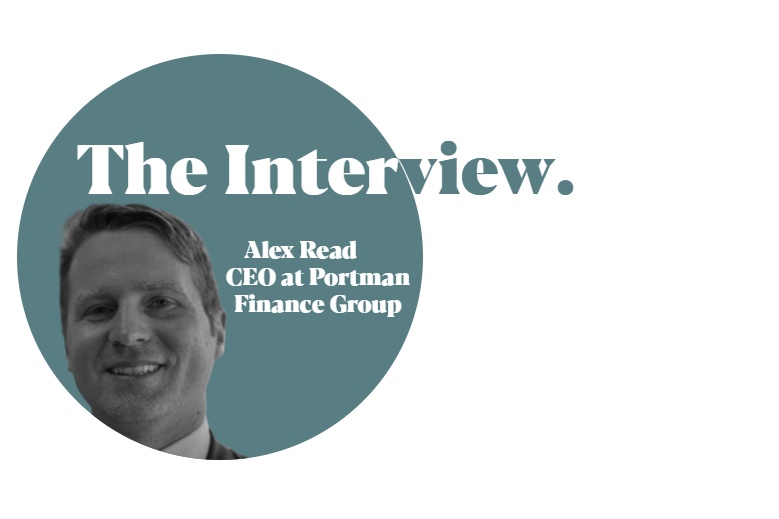
The Intermediary speaks with Alex Read, founder and CEO of Portman Finance Group, about the evolution of alternative finance, supporting UK SMEs, and the changing role of brokers.
What inspired you to start the business, and what have been the most significant turning points in its growth?
I founded Portman Finance Group nearly two decades ago out of frustration with the lack of flexible, common-sense funding options available to UK SMEs. At the time, many viable businesses were underserved by traditional lenders, particularly those that didn’t fit rigid credit criteria.
I saw an opportunity to build a business that combined strong underwriting discipline with a more pragmatic, relationship-led approach that focused on long-term outcomes rather than purely transactional lending.
In terms of turning points, the 2008 financial crisis was a major catalyst. As high street banks pulled back, demand for specialist and alternative finance accelerated significantly. More recently, Covid reinforced the importance of speed, adaptability, and having dependable funding partners in place.
Over the years, continued investment in technology, data, and our people has allowed us to scale while maintaining a high level of service – which remains a key differentiator.
With traditional lenders pulling back from small business lending, why do you think “alternative finance” is becoming less alternative, and what does this shift mean for brokers and SMEs?
The lending landscape has changed dramatically in recent years, but the language hasn’t quite caught up. In reality, high street banks are now the alternative, while fintechs and specialist lenders have become the norm, accounting for around 60% of SME lending.
What small business owners experience day to day, and what they need from a finance partner, just doesn’t align with the way traditional lenders operate. Waiting weeks or even months for a decision doesn’t work when businesses often need to move quickly. Conditions can change overnight, and access to funding needs to reflect that. That’s a big reason why more SMEs are looking beyond the high street.
At the same time, specialist lenders have matured. There’s more capital in the market, better use of data, and more sophisticated underwriting. As a result, the gap between traditional and non-bank lending has narrowed significantly.
For brokers and SMEs, this shift opens up a lot of opportunities. There’s far more choice now, and products can be tailored much more closely to how a business actually operates. Repayment structures are more flexible, and funding can be used in a more strategic way. For SMEs, that means being able to invest and grow with a bit more confidence. For brokers, it’s a chance to add real value by matching clients with the right solutions rather than trying to fit them into a one-size-fits-all approach.
How have you seen the needs and challenges of UK SMEs evolve over the years, and how has Portman adapted its approach to better serve them?
One of the biggest changes has been the level of uncertainty businesses are dealing with. In a relatively short space of time, we’ve seen a pandemic, geopolitical tensions and frequent political change. All of that impacts confidence, and smaller businesses tend to feel it more because they don’t always have the same buffers in place.
That’s pushed SMEs to think differently. There’s much more focus now on planning ahead rather than reacting as things happen. At Portman, we’ve adapted by broadening our product range, investing in faster decisioning processes, and ensuring our teams work closely with clients to structure funding that genuinely fits their needs. The focus has shifted from simply providing finance to delivering tailored funding solutions.
Most business owners are stretched for time. If you take a restaurant owner, for example, they’re managing staff, service, suppliers and everything in between. They don’t always have the capacity to step back and think strategically about finance. That’s where we come in, helping them make informed decisions that support steady, sustainable growth.
How can brokers help business owners rethink their relationship with borrowing as a tool for growth rather than just a last resort?
Debt plays a huge role in everyday life. Most people will have used it in some form, whether that’s buying a home, a car or even spreading the cost of smaller purchases. It’s no different for businesses, yet it’s sometimes seen as a dirty word.
The stigma largely comes from a misunderstanding of what good debt looks like. When used correctly, borrowing is a tool that enables businesses to invest, grow, and manage cash flow more effectively.
Brokers have a key role to play in reframing that conversation. It’s about moving away from “distress borrowing” and towards strategic funding to help clients understand how finance can support growth, rather than just solve short-term problems.
The key is understanding how and when to use it. That’s where brokers can really make a difference, by helping clients see finance as something that can support their plans, rather than something to fall back on when things go wrong.
What role do you think brokers should play in closing the financial literacy gap among business owners, and what support do they need from lenders?
Brokers are in a strong position to help bridge that gap because they’re often the ones having direct conversations with business owners. In many cases, they’re not just sourcing funding, but also helping business owners understand their options and make informed decisions.
However, that role can only be fulfilled properly if brokers themselves are well supported. Lenders need to provide transparency and education around their products – not just sell them. The sector has had a bit of a wild west reputation, and building trust is essential. Clear communication and a genuine partnership approach all play a role in that. When brokers and lenders are aligned on those principles, it leads to much better outcomes for clients.
As alternative finance becomes more mainstream, what trends or innovations should brokers be watching in the next year or two?
We’re seeing continued innovation around data-driven underwriting, which is improving both speed and accuracy of decisions. That’s likely to accelerate further.
There’s also a growing focus on embedded finance and more seamless integration of funding into business operations, which could change how SMEs access capital over time.
At the same time, regulation and compliance expectations are increasing, which will place greater emphasis on transparency and responsible lending.
For brokers, staying informed and adaptable will be key. The market is evolving quickly, and those who don’t keep up will find it harder to compete.
Looking ahead, what are your ambitions for Portman Finance Group, and what advice would you offer to brokers aiming to succeed in a rapidly changing finance landscape?
Our ambition is to continue growing in a measured, sustainable way while maintaining the service standards and underwriting discipline that have underpinned the business for nearly two decades.
We’ll continue to expand our product offering, invest in technology, and focus on building long-term relationships with our clients. Attracting and retaining high-quality talent will also be a key priority.
This is not an easy market to navigate well. Success will increasingly depend on specialisation and the ability to genuinely advise clients rather than simply source funding.